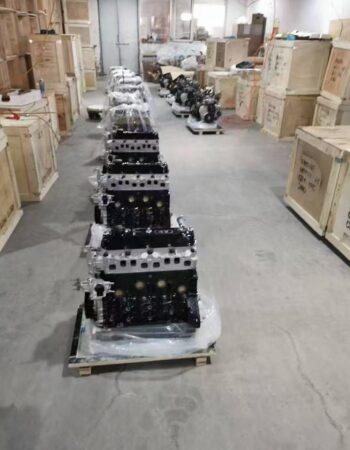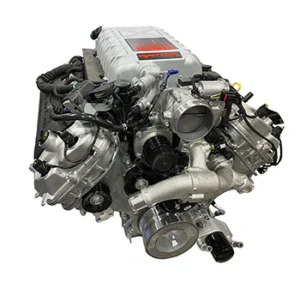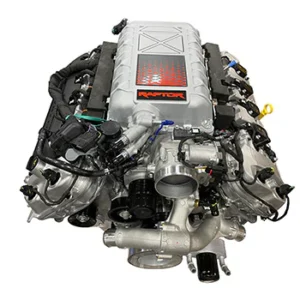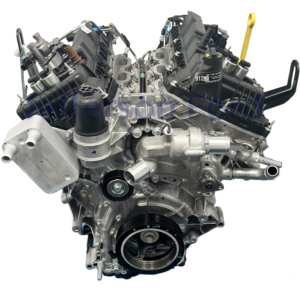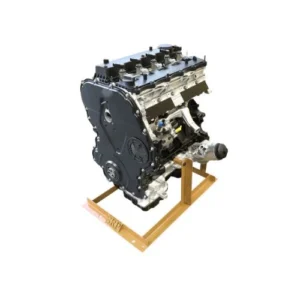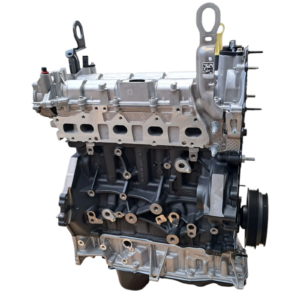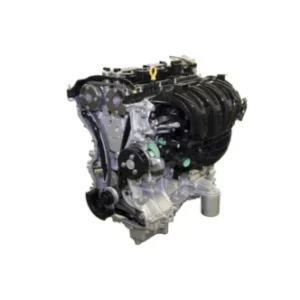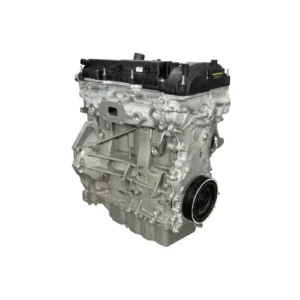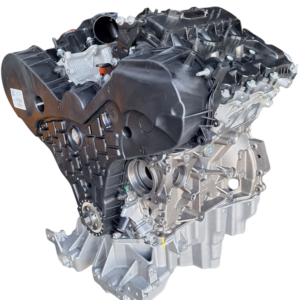
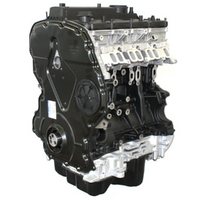
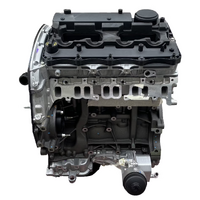
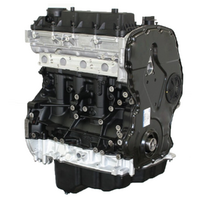
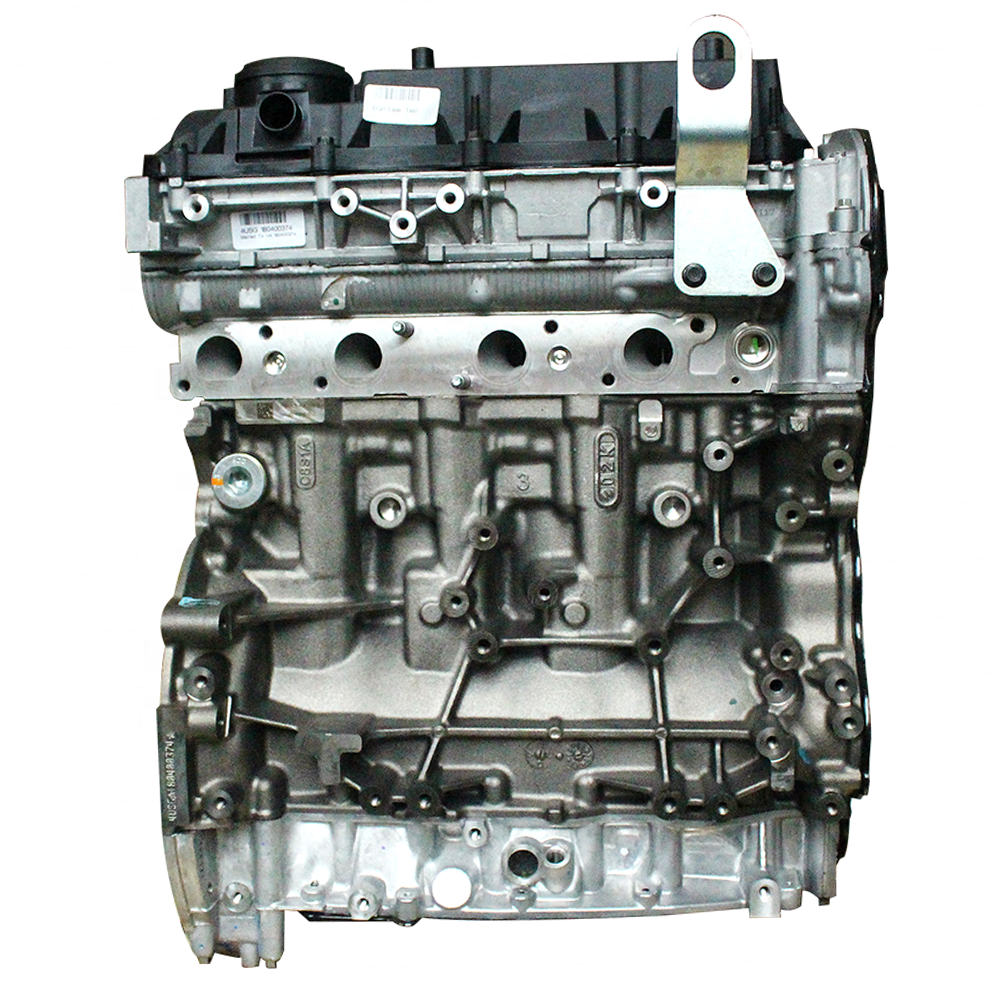
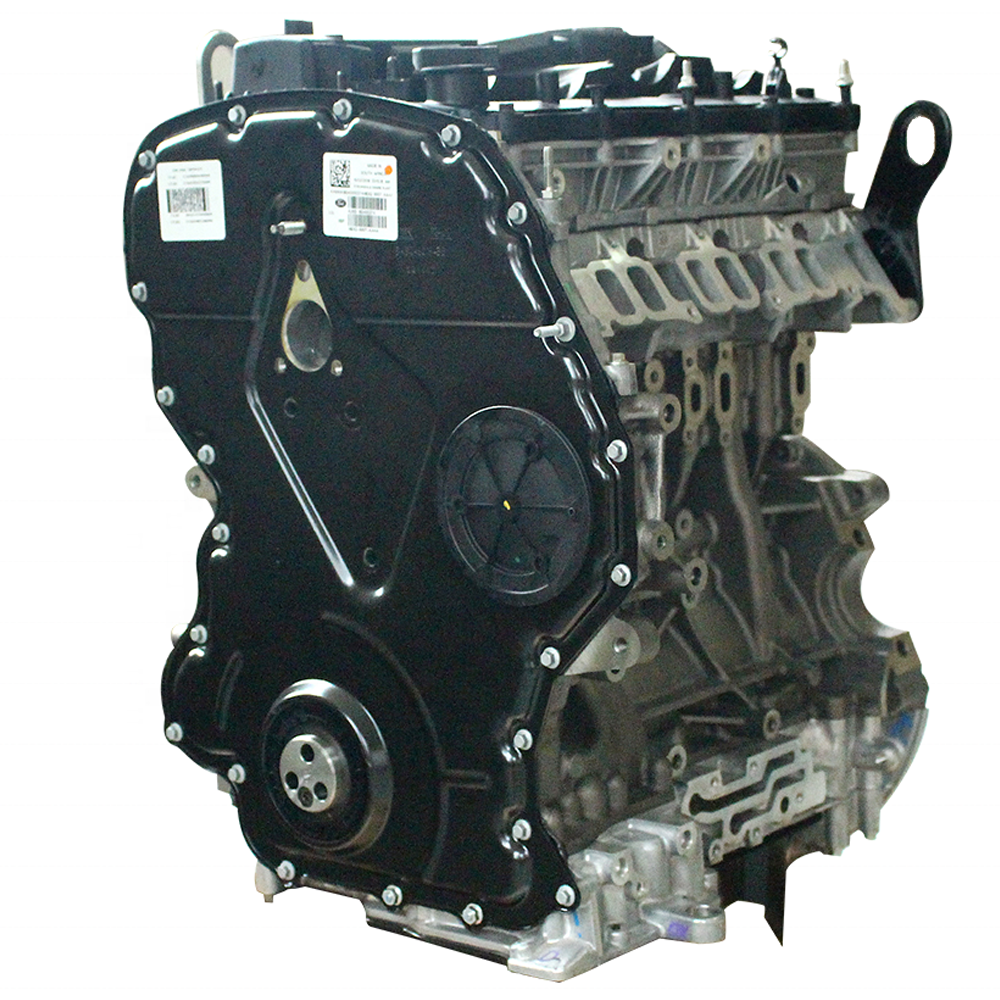
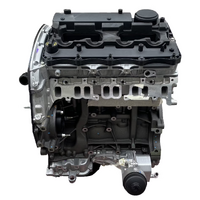
Key Specifications:
- Engine Code: P4AT
- Displacement: 2.2 liters (2,198 cc)
- Configuration: Inline-4 (I4), DOHC, 16 valves
- Bore x Stroke: 86.0 mm x 94.6 mm
- Compression Ratio: 15.7:1 – 16.0:1
- Aspiration: Single variable geometry turbocharger (VGT) with intercooler
- Fuel System: High-pressure common-rail direct injection (up to ~1,800–2,000 bar)
- Power Output:
- 88–92 kW (118–125 hp) in base models
- Up to 110–118 kW (148–160 hp) in higher-spec variants
- Torque: 375–385 Nm (277–284 lb-ft) @ 1,500–2,500 rpm (strong mid-range pull)
- Redline: ~4,500–5,000 rpm
- Emissions: Euro 5 / Euro 6 (with DPF, EGR, and AdBlue/SCR in later versions)
Design & Construction:
- Block & Head: Cast iron cylinder block for durability + aluminum cylinder head for weight savings and better heat dissipation.
- Timing: Chain-driven (more reliable than belt in previous generations).
- Features:
- Balancer shafts for smooth operation (reduces vibration typical in 4-cylinder diesels).
- Multiple power/torque tunes available depending on model (XL, XLS, XLT, Wildtrak).
- Integrated exhaust manifold and turbo for quicker spool-up.
- Modern electronics with ECU-controlled glow plugs, sensors, and variable swirl valves.
Performance & Characteristics:
- Excellent fuel economy (typically 7–9 L/100km combined, better than the 3.2L).
- Strong low-RPM torque makes it responsive for daily driving, towing (up to ~3,500 kg braked when properly equipped), and light off-roading.
- Smoother and quieter than older Duratorq engines, but still delivers that characteristic diesel grunt.
Common Applications:
- Ford Ranger PX MKII & MKIII (06/2015–04/2022) – 4×2 and 4×4 variants.
- Also used in Mazda BT-50 (similar era) and some Transit models.
Reliability Notes:
Highly regarded for longevity with regular servicing. Key maintenance includes timely oil/filter changes (5W-30 low-ash diesel oil), fuel filter replacements, and DPF regeneration cycles