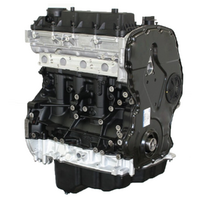
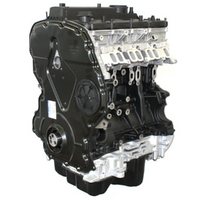
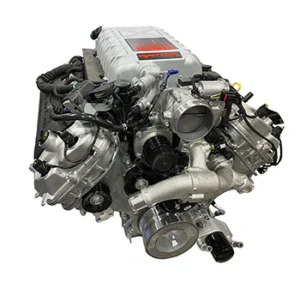
- Displacement: 2.2 liters (2,198 cc)
- Configuration: Inline-4 (I4), DOHC, 16 valves
- Bore x Stroke: 86.0 mm × 94.6 mm
- Compression Ratio: ≈ 15.7:1 – 16.0:1
- Aspiration: Single Variable Geometry Turbocharger (VGT) with air-to-air intercooler
- Fuel System: High-pressure common-rail direct injection
- Power Output:
- 88–92 kW (118–125 hp) in standard models
- Up to 110 kW (148 hp) in higher-output variants
- Torque: 375 Nm (277 lb-ft) @ 1,500–2,500 rpm
- Emissions: Euro 5 compliant (with Diesel Particulate Filter – DPF and EGR system)
Design & Construction:
- Block: Cast iron for strength and durability
- Cylinder Head: Aluminum alloy with dual overhead camshafts
- Timing: Chain-driven for reliability
- Additional Features:
- Balancer shafts to reduce vibration
- Integrated turbo and exhaust manifold for faster response
- Electronic control with multiple sensors and glow plug system for cold starts
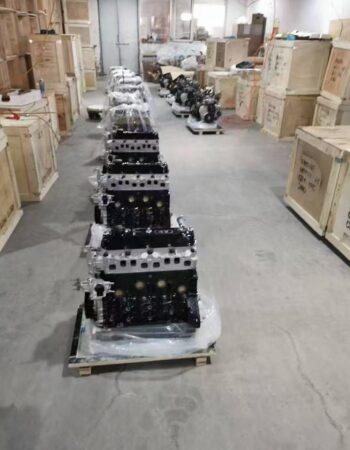
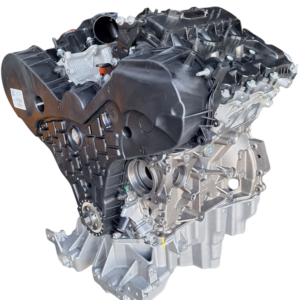
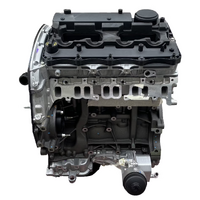
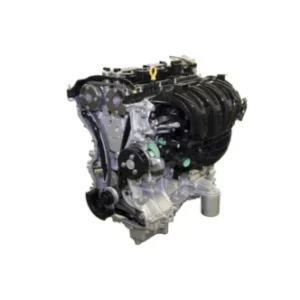
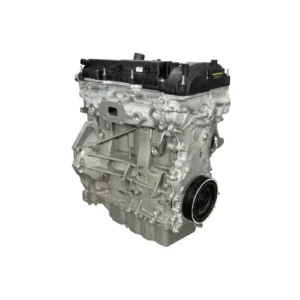
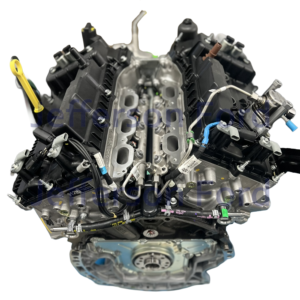
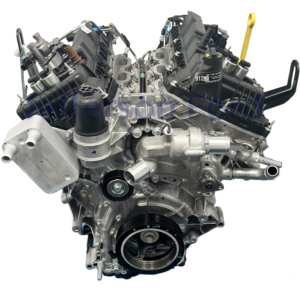
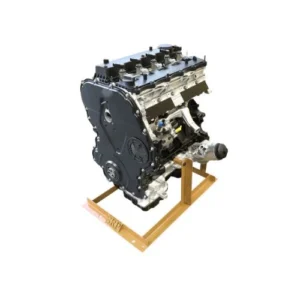
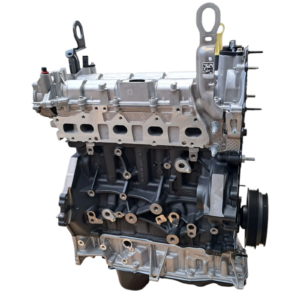
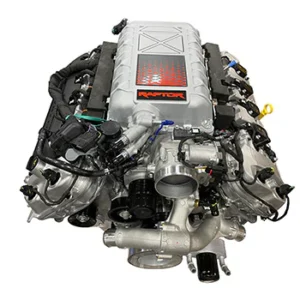
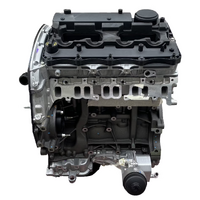
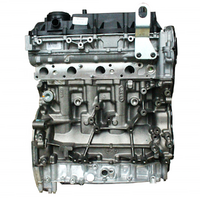
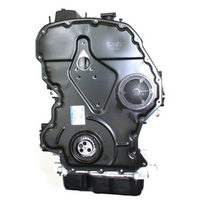
- Long motor / long block assembly (as shown in images) typically includes head, block, crank, pistons, and valvetrain — ready for installation with external ancillaries (turbo, manifolds, injectors, etc.)
Performance Highlights:
- Strong mid-range torque makes it responsive for highway overtaking and light towing (up to 3,000–3,500 kg depending on configuration).
- Better fuel efficiency than the 3.2L (around 7–9 L/100km combined).
- Smoother and quieter than older 2.2L/2.5L predecessors.
Applications:
- Ford Ranger PX (2011 – May 2015) – 4×2 and 4×4 single/double/cab-chassis models.
- Shared platform with Mazda BT-50 (similar years).
This early PX 2.2L P4AT is known for solid reliability when serviced regularly