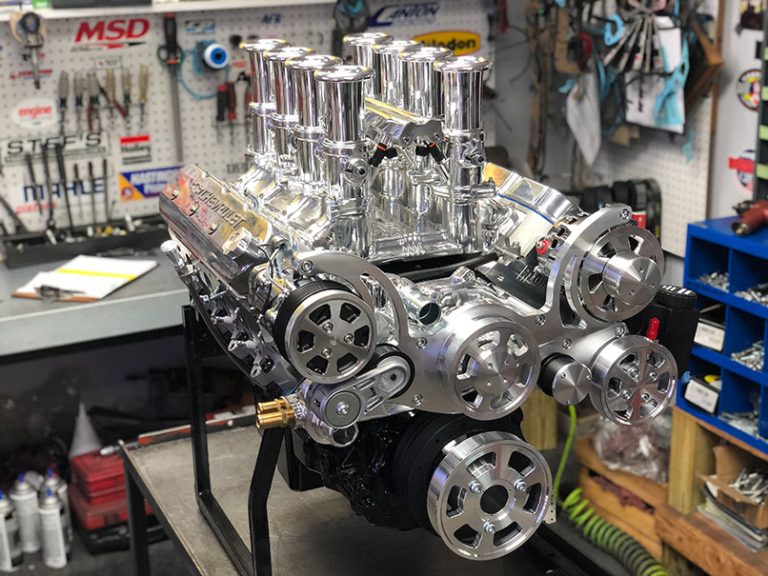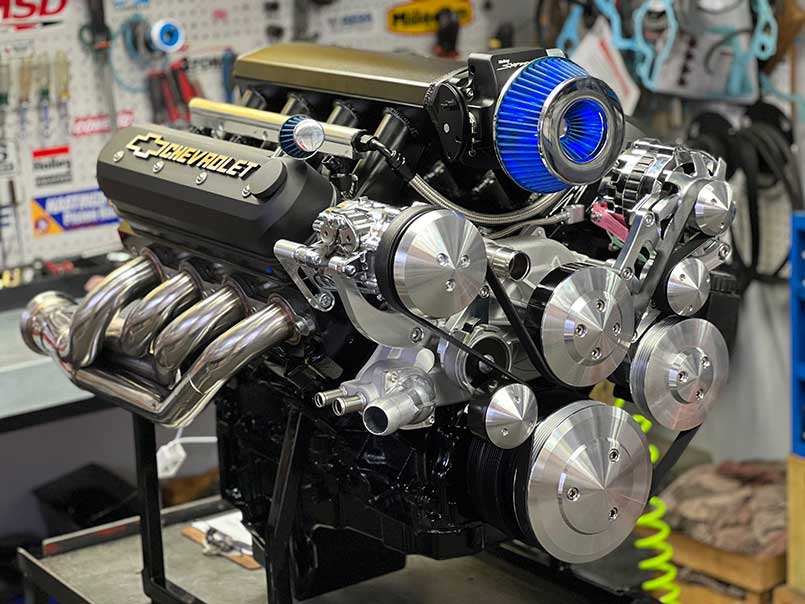

A vehicle’s engine is its most important component, and when it fails, many owners assume that purchasing a new vehicle is the only solution. In reality, investing in a quality replacement engine is often the most cost-effective and practical way to restore your vehicle’s performance.
However, buying a replacement engine requires careful consideration. Choosing the wrong engine or purchasing from an unreliable supplier can lead to unnecessary expenses, compatibility issues, and costly repairs. This guide explains everything you need to know before making your purchase.
Why Replace an Engine?
ngine replacement is often the best option when repairs become uneconomical or the engine has suffered extensive damage.
Common reasons for engine replacement include:
- Severe engine overheating
- Internal engine failure
- Excessive oil consumption
- Cracked engine block
- Worn pistons or bearings
- High mileage and excessive wear
- Timing belt or chain failure causing major damage
- Flood or accident damage
A replacement engine can significantly extend the life of your vehicle while saving thousands compared to purchasing a new car.
Understanding the Different Types of Replacement Engines
Before buying, it’s important to understand the available engine options.
Used Engines
Used engines are removed from vehicles that have been dismantled or written off for reasons unrelated to engine performance. They can offer excellent value when sourced from a reputable supplier and thoroughly inspected before sale.
Best For
- Budget-conscious buyers
- Older vehicles
- Everyday commuting
Rebuilt Engines
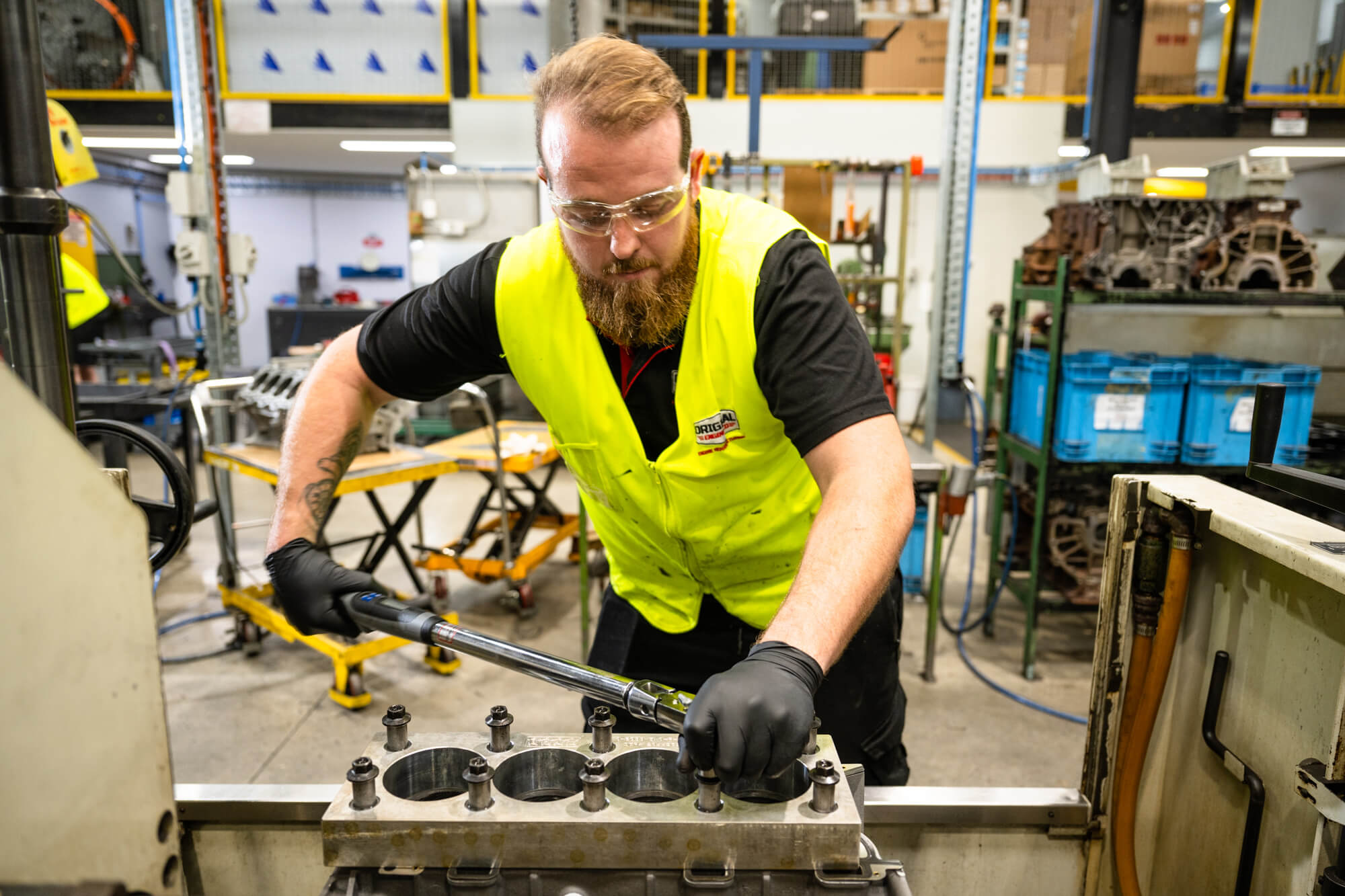
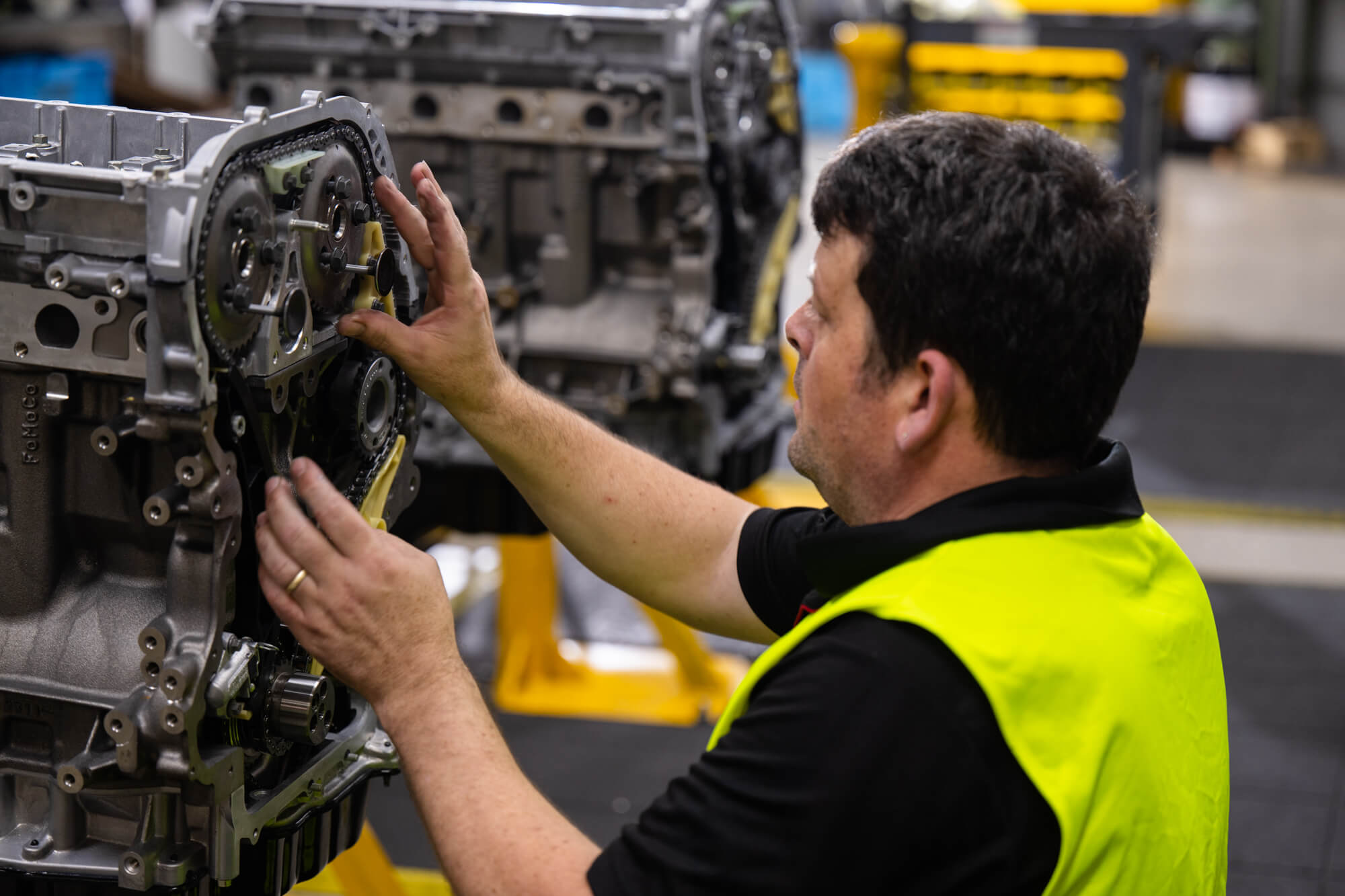
A rebuilt engine has been disassembled, inspected, and fitted with new or refurbished internal components where required. This process restores reliability while keeping costs lower than buying new.
Best For
- Long-term vehicle ownership
- Daily drivers
- Improved reliability
Reconditioned Engines
Reconditioned engines undergo a comprehensive restoration process. Critical components are repaired or replaced to meet strict performance standards, providing a balance of durability, performance, and value.
Best For
- Commercial vehicles
- High-performance applications
- Long-term investment
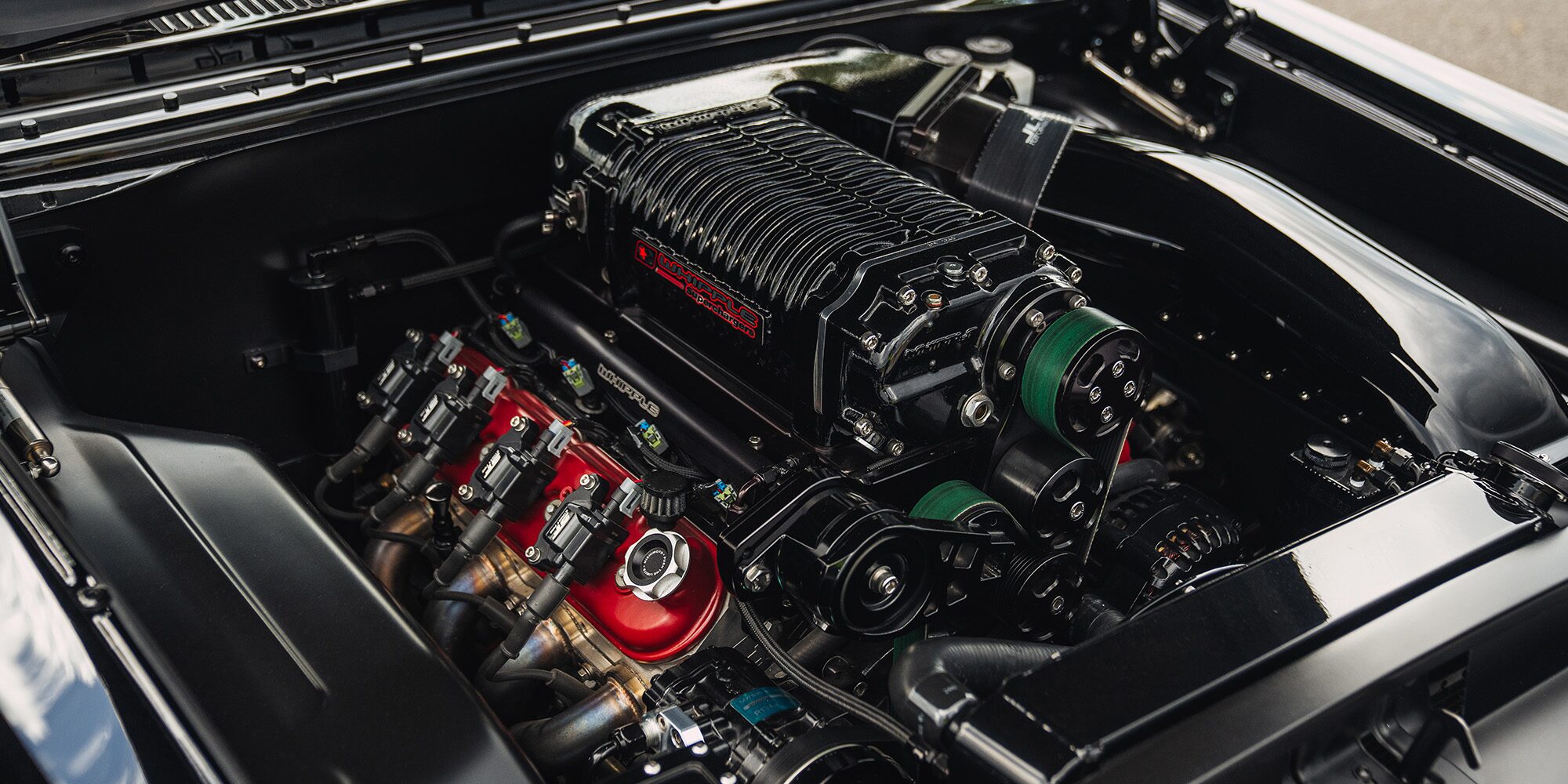
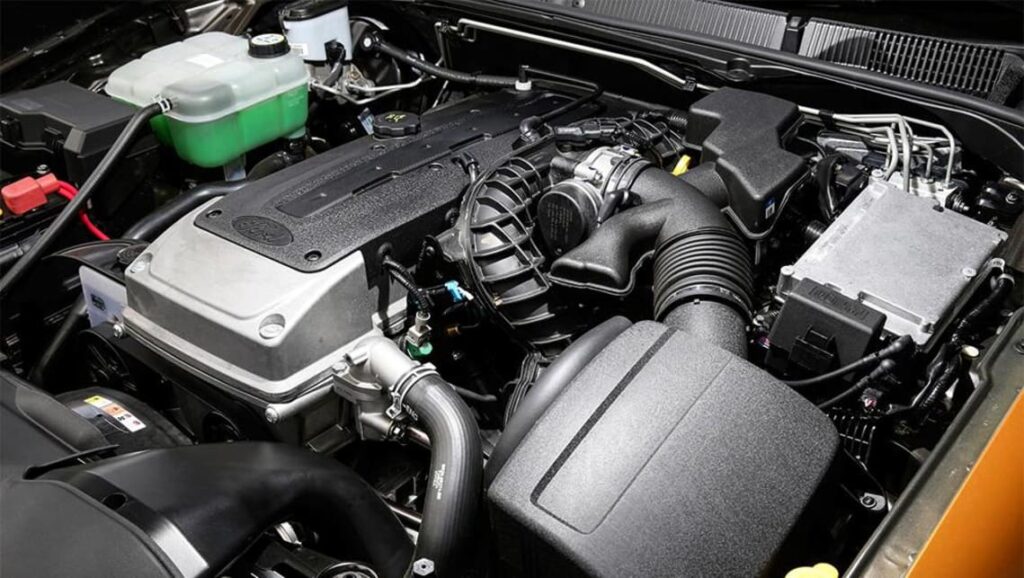
Volutpat suspendisse condimentum conubia velit placerat at in augue porta aliquet pretium malesuada montes ac nam ante egestas cras consectetur ipsum donec facilisi curabitur a fames sociis sagittis. A luctus non viverra vestibulum eu hendrerit scelerisque malesuada ad dis cras iaculis.
Verify Engine Compatibility
One of the most common mistakes buyers make is purchasing an engine that is not compatible with their vehicle.
Before ordering, always provide:
- Vehicle Identification Number (VIN)
- Registration Number
- Vehicle Make
- Model
- Year of Manufacture
- Engine Size
- Engine Code
Providing accurate information allows suppliers to verify compatibility and helps prevent costly mistakes.
Buy from a Trusted Supplier
Choosing a reputable supplier is just as important as selecting the correct engine.
Look for a supplier that offers:
- Thoroughly inspected engines
- Clear product descriptions
- Transparent pricing
- Responsive customer support
- Secure online ordering
- Warranty options
- Reliable shipping services
A trustworthy supplier will gladly answer your questions and help you select the right engine for your vehicle.
Ask About the Engine’s Condition
Before making a purchase, ask important questions about the engine, including:
- Has it been inspected?
- Has it been compression tested?
- What is its approximate mileage?
- Has it been cleaned and prepared for installation?
- Are any accessories included?
- Is there any known damage?
The more information you receive, the more confident you can be in your purchase.
Understand Warranty Coverage
A warranty provides valuable peace of mind when purchasing a replacement engine.
Before buying, confirm:
- Warranty duration
- What components are covered
- Installation requirements
- Conditions that may void the warranty
- Claims process
Understanding the warranty helps protect your investment and avoids misunderstandings later.
Consider Shipping and Delivery
Replacement engines are large, heavy, and require specialised handling.
A reliable supplier should:
- Package engines securely
- Use professional freight carriers
- Provide shipment tracking where available
- Keep customers informed throughout delivery
Always inspect your shipment upon arrival and report any visible transport damage immediately.
Volutpat suspendisse condimentum conubia velit placerat at in augue porta aliquet pretium malesuada montes ac nam ante egestas cras consectetur ipsum donec facilisi curabitur a fames sociis sagittis. A luctus non viverra vestibulum eu hendrerit scelerisque malesuada ad dis cras iaculis. Cras consectetur non viverra vestibulum.
Compare More Than Just Price
The cheapest engine is not always the best value.
Consider factors such as:
- Engine condition
- Inspection process
- Supplier reputation
- Warranty coverage
- Customer service
- Delivery reliability
- After-sales support
A slightly higher initial investment often results in greater long-term reliability and lower maintenance costs.
Installation Matters
Even the highest-quality engine requires proper installation.
For the best results:
- Use an experienced mechanic.
- Replace worn belts, hoses, seals, and filters during installation.
- Install fresh engine oil and coolant.
- Follow manufacturer-recommended procedures.
- Perform all required post-installation inspections.
Professional installation helps ensure reliable performance and may be required to maintain warranty coverage.
Maintain Your Replacement Engine
Proper maintenance is essential for maximising engine life.
Follow these simple tips:
- Change engine oil and filters regularly.
- Monitor coolant levels.
- Replace air filters as recommended.
- Address warning lights promptly.
- Inspect belts and hoses routinely.
- Follow scheduled servicing intervals.
Consistent maintenance helps improve reliability, fuel efficiency, and overall engine performance.